Start by identifying the evidence the operation needs. A damaged shipment investigation may require the condition of goods during unloading, while a missing-stock enquiry may focus on which cartons entered the dispatch lane. A vehicle dispute may require an arrival sequence and bay assignment. These are different tasks and may need different views. Talk to receiving staff, dispatch supervisors and security personnel about actual incidents and unresolved questions. This produces a better brief than asking for the entire dock to be visible. A useful camera plan follows the moments where responsibility changes and where records are created or checked.
Use complementary views rather than relying on one high-mounted overview. An overview can show the vehicle, bay and sequence of movement. A second position may show the transfer between the vehicle and the receiving area. A closer view at a checking station can document selected handling details where the operation needs them. The exact arrangement depends on obstructions, distances and traffic. Avoid promising that a camera mounted across the yard will read every small shipping label. If label detail is essential, test the actual label size, package orientation and expected handling speed at the proposed capture point before accepting the design.
Loading doors create demanding contrast. Bright exterior light can sit behind a worker standing inside a darker warehouse, while sunlight may reflect from pale packaging or metal vehicle surfaces. Review the view with the door open, closed and partly obstructed by a vehicle. Exposure settings should be tested on moving subjects, because an apparently bright image may hide motion blur. At night, vehicle headlights and security lighting introduce different challenges. Consider whether a separate view is needed for external context rather than forcing one camera to balance every condition. Representative recorded tests are more informative than a general statement about low-light capability.
Vehicle positioning can block a camera at the exact moment it is needed. Open trailer doors, raised tail lifts, dock shelters and stacked pallets may obscure the handover zone. Survey the bay with representative vehicles present and consider both routine and less common delivery arrangements. A mounting point above a door may work well when empty but lose the unloading area behind the vehicle body. Discuss these limitations openly and provide alternative angles where justified. If an obstruction cannot reasonably be eliminated, document it so the operation understands the remaining gap rather than assuming the camera provides continuous visibility throughout every delivery.
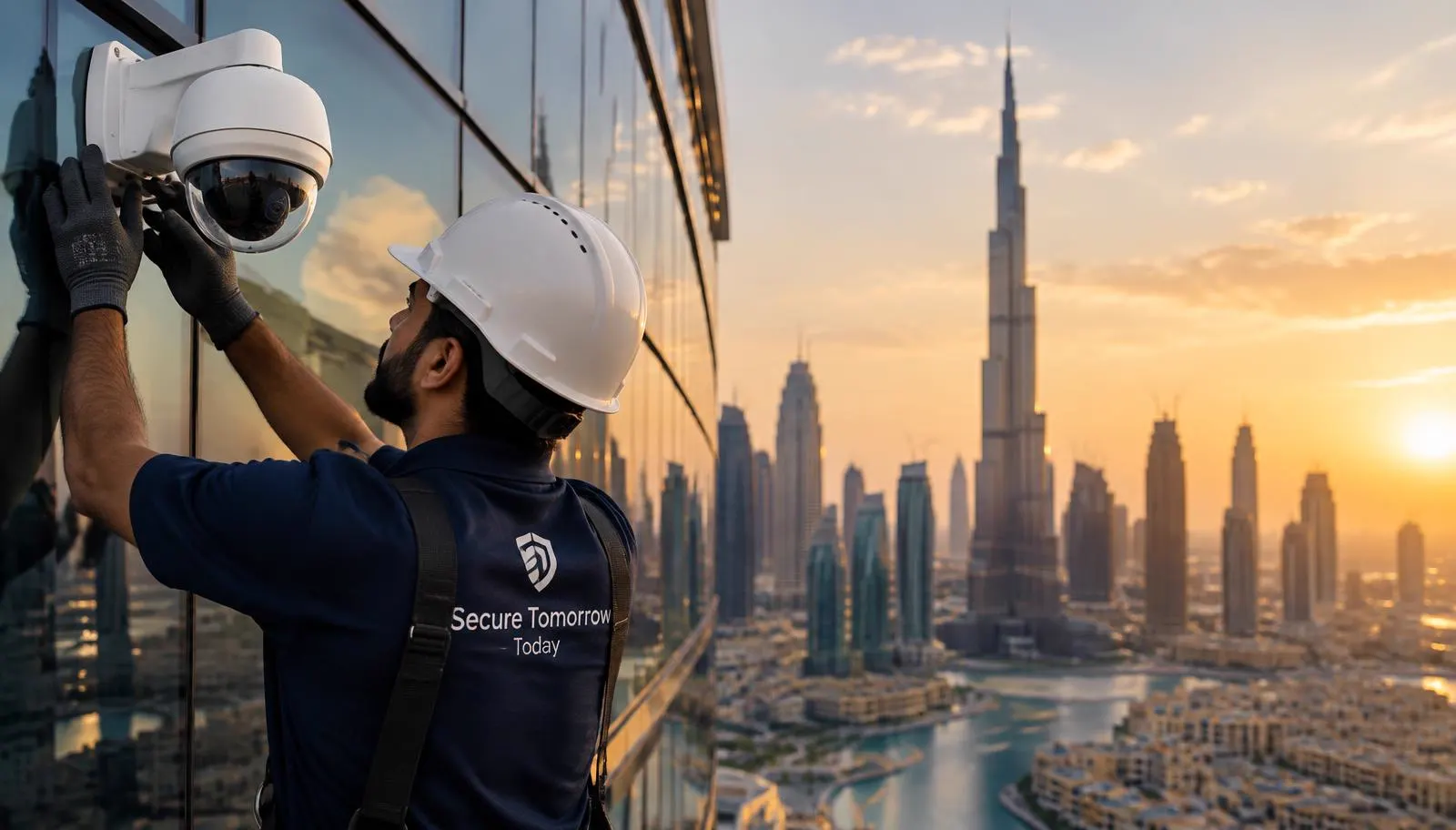
Protect equipment without creating new hazards. Camera brackets, containment and enclosures should be positioned away from vehicle impact zones and routine handling activity. Installation and maintenance access must be coordinated with the site's safe working arrangements. Do not place technicians above an active bay without the appropriate controls, and do not assume a camera can substitute for physical traffic management or safety supervision. CCTV can support an investigation, but it is not automatically a safety-rated detection system. Where the project includes vehicle warnings or other specialist safety technology, keep its design responsibilities distinct and involve competent specialists rather than extending ordinary surveillance promises.
Connect the images to the receiving and dispatch workflow. Clear camera names, consistent bay identifiers and accurate timestamps help staff relate video to delivery notes or warehouse records. If software integration is proposed, define exactly what it does and demonstrate it with the selected products. A manual search using a reliable transaction time may be more useful than an expensive integration that staff do not understand. Decide who investigates discrepancies and how quickly they are likely to be reported. This influences practical storage planning and the process for preserving footage before normal overwrite removes material associated with a later claim.
Size recording capacity around real dock activity and the applicable requirements. Busy loading areas can produce different data demand from quiet interiors, especially when lighting changes and large objects move through the scene. [VERIFY] Confirm the footage retention requirement applicable to the premises and activity before finalising storage. Keep the assumptions documented and verify actual history after representative operation. Also check recording continuity when shutters, lighting circuits or local network equipment are switched off. A camera connected to a convenient supply can unexpectedly stop when staff close the dock, leaving a gap that is not obvious during a daytime handover demonstration.
Govern access to footage and related vehicle records. Loading-bay video can include drivers, contractors and employees, so viewing and export should have a defined operational purpose. Limit administrator rights and use individual accounts where supported. Decide how a claim-related clip will be preserved, reviewed and shared through authorised channels. For projects with SIRA requirements, establish the relevant design and approval scope rather than assuming all loading docks follow an identical specification. [VERIFY] Confirm activity classification and licence details where they affect that scope. Avoid enabling audio or unrelated monitoring features merely because the chosen hardware includes them.
Commission the installation through a safely managed delivery sequence. Review a vehicle approaching, positioning, opening, unloading and departing. Check whether the footage shows the required handover points and whether an investigator can find and export the sequence using ordinary site records. Repeat relevant checks after dark and record any limitations. Include lens cleaning, obstruction review and mounting inspection in maintenance because loading areas accumulate dust and undergo frequent operational changes. In Jebel Ali and elsewhere in Dubai, a loading-bay survey should deliver an evidence-focused layout that works with real vehicles and goods, supported by clear responsibilities for recording checks and incident preservation.
Need help? See our cctv installation service or book cctv installation jebel ali.